For this post, I selected a YouTube video that introduces probability concepts through simple examples. Since our Interactive Learning Resource focuses on empirical and theoretical probability, I would use this video as an introduction before learners participate in hands-on activities. Bates (2022) explains that learning is most effective when students actively engage with learning materials rather than passively consume information.
What kind of interaction would the video require from your students?
The video requires learners to actively watch, listen, and think about the probability examples being presented. Although students are not required to respond directly, they are encouraged to make predictions and consider why certain outcomes occur. This supports interaction with the content and helps learners connect new information to prior knowledge.
In what way are they likely to respond to the video on their own?
Students may pause the video to take notes, write down examples, or try solving probability questions before the answers are revealed. They may also begin thinking about how probability applies to everyday situations such as weather forecasts, sports statistics, and games of chance. These learner-generated responses encourage reflection and deeper understanding.
If you selected a video, what activity could you suggest that they do after they have watched the video?
After watching the video, students would complete the “Heads or Tails: Is it 50:50?” activity. Learners flip a coin multiple times, record their results, and compare their experimental probability with the theoretical probability of 50% heads and 50% tails. This activity helps students understand that real-world results do not always perfectly match expected outcomes. It also develops skills in data collection, probability calculations, and critical thinking.
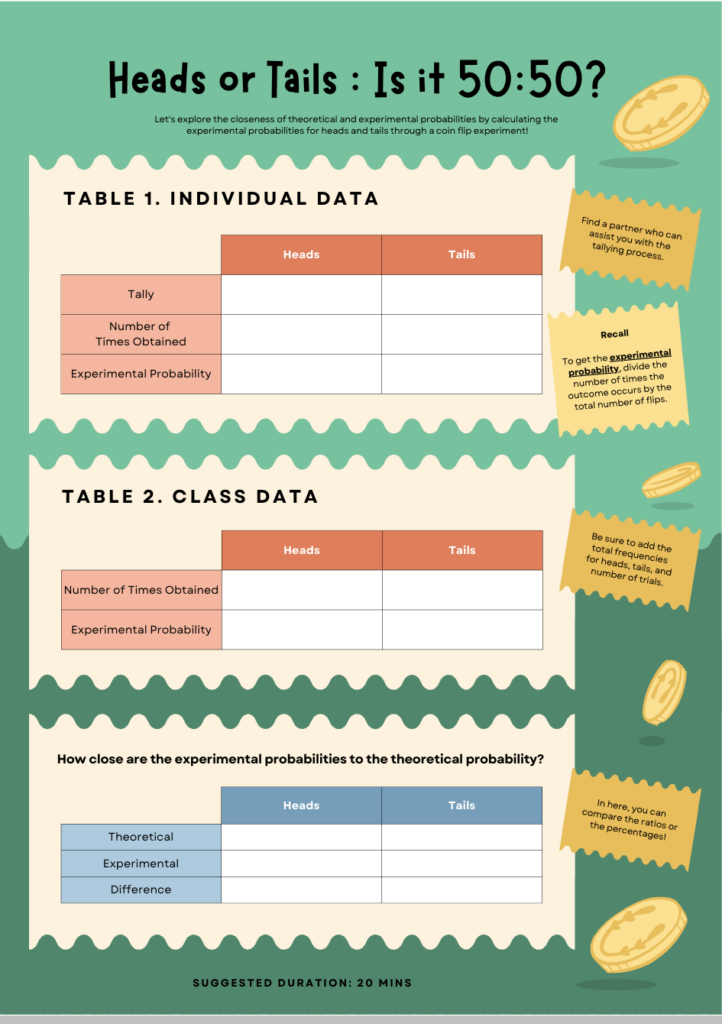
Figure 1. Heads or Tails: Is it 50:50? Activity
How would students get feedback on the activity?
Students could compare their results with classmates through a discussion board or shared class data sheet. Feedback could also be provided through an H5P activity with automatic responses. By comparing different outcomes, students can better understand how probability varies and why larger sample sizes often produce results closer to theoretical expectations.
How will you address any potential barriers for your learners in the use of this video to ensure an inclusive design?
To support all learners, I would choose a video with captions and clear audio. Written instructions for the activity would also be provided so students can review the content in multiple formats. Learners can pause, replay, and review the video at their own pace. Combining visual, auditory, and hands-on learning opportunities aligns with inclusive learning design principles and helps make the lesson accessible to a wider range of learners.
Overall, I think combining a short instructional video with an interactive probability activity creates meaningful engagement and helps learners develop a stronger understanding of probability concepts.
References
Bates, A. W. (2022). Chapter 10.6: Interaction. In Teaching in a Digital Age (3rd ed.).BCcampus.
Hi Manveen! I really liked how clearly you explained the purpose of the probability video and how it fits into your ILR. Your point about using the video as an introduction before hands‑on activities came through really well, especially when you connected it to empirical vs. theoretical probability .
I also appreciated how you highlighted the thinking work students naturally do while watching, like making predictions and connecting examples to prior knowledge ! That’s such an important part of interaction that often gets overlooked.
Your “Heads or Tails: Is it 50:50?” activity is a great follow‑up. I liked how you emphasized that real‑world results don’t always match expectations
Hey Manveen, the heads or tails activity is such a clean choice for this topic, especially since the gap between experimental and theoretical probability is exactly the kind of thing students need to see play out before it really clicks. I also like that you brought up larger sample sizes producing results closer to theoretical.
One thing I was curious about, since you mentioned H5P could be used to give automatic feedback, did you consider building a small H5P activity directly into the post so readers could try it? For my Blog 4 I embedded a drag-the-words activity and it was actually pretty easy to set up through the WordPress H5P plugin, might be worth exploring for your interactive learning resource too!
Hi Manveen!
I really enjoyed reading your post. I liked how you explained that videos can do more than just deliver information but they can also make learning feel more engaging and interactive. I agree that adding things like pause points or reflection questions can help learners stay focused instead of just passively watching.
One thing that stood out to me was your point about using videos to create a more meaningful learning experience. I’ve noticed that I tend to understand concepts much better when I can actually see them being demonstrated, especially in courses with technical content.
I also liked that you mentioned the importance of keeping videos engaging rather than making them too long. From my own experience, shorter videos with opportunities to think or participate help me stay focused much more than long lectures.
Thanks for sharing your thoughts!